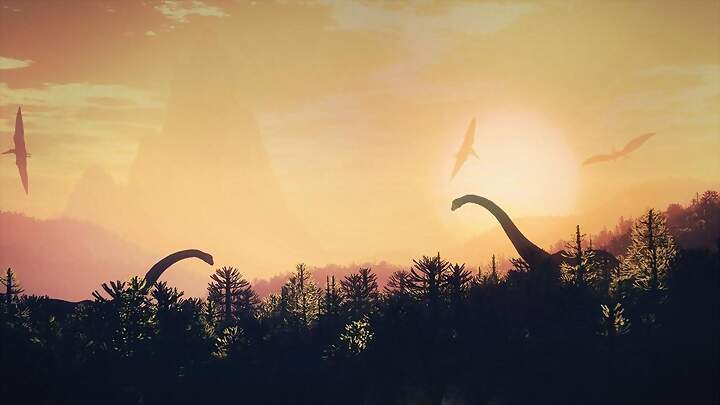
Cinco veces, la Tierra se ha enfrentado a acontecimientos apocalípticos que arrasaron con casi toda la vida de la faz del planeta. ¿Cómo eran estas criaturas prehistóricas? ¿Qué catástrofes provocaron su desaparición? ¿Y cómo sobrevivieron nuestros ancestros lejanos y dieron origen al mundo que conocemos hoy?
En los Países Bajos, la caída de una grúa deja a una ciudad paralizada, mientras que un fallo en la estructura amenaza a un famoso puente de San Francisco.
En los Países Bajos, la caída de una grúa deja a una ciudad paralizada, mientras que un fallo en la estructura amenaza a un famoso puente de San Francisco.
El planeta más grande del sistema solar ha sido visitado por sondas automatizadas desde la década de 1970. Este episodio examina el trabajo del orbitador Galileo y de la sonda Juno, que entró en órbita alrededor de Júpiter el año 2016.

desde las ballenas blancas o belugas en el ártico hasta las colonias de pingüino emperador en la Antártida y la inmensa riqueza que representa el krill para las ballenas.
Planeta azul es una serie documental sobre la naturaleza que contó con una de las inversiones más altas realizadas (casi 13 millones de euros) en divulgar la naturaleza. Se han mostrado imágenes de especies jamás filmadas antes como el tiburón megaboca y se realizaron experimentos para visualizar la rica vida encargada de degradar el cadáver de una ballena en los fondos marinos. La serie recoge aspectos de la vida marina como la reproducción, la alimentación y las relaciones que se establece entre sus protagonistas. Este inconmensurable esfuerzo requirió dos años de filmaciones. Estamos pues ante una serie documental imprescindible en cualquier videoteca por su sorprendente calidad en todos los ámbitos. Sin embargo, el principal valor de la misma es conseguir un discurso narrativo capaz de enganchar al espectador de todas las edades. Una serie que nos fascinará por las bellezas que ofrece y por la claridad con que muestra las estrategias vitales que en los vastos océanos y el litoral de nuestro planeta se han desarrollado. Des de los trópicos hasta los polos la vida marina presentada en esta serie no deja indiferente a ningún espectador por poca que sea su sensibilidad hacia la naturaleza. Un regalo para nuestros ojos en 500 minutos indispensables para aprender y amar el medio marino. En definitiva, para proteger y conservar un ecosistema que debería dar nombre al planeta mar.
Tony Robinson explores machines that help us mere mortals become superhuman, from a tree-chopping-device to a jet-powered suit that could be worn by flying paramedics.
Tony Robinson goes on safari to find majestic machines that are inspired by the animal kingdom and gets hands-on with a life-saving mechanical octopus.
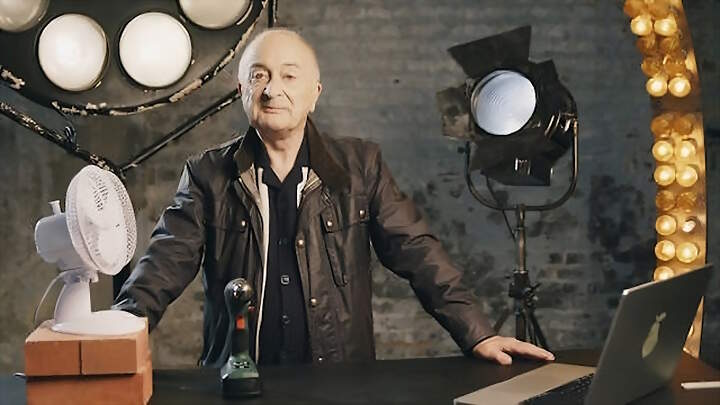
Tony Robinson looks under the bonnet of innovative machines leading the green revolution, from a Welsh hydrogen-powered car to a solar training plane.
Programa que viaja por todo el mundo para ver cómo objetos obsoletos son transformados y reinventados mediante diferentes procesos, todos ellos ingeniosos y extraordinarios.
Programa que viaja por todo el mundo para ver cómo objetos obsoletos son transformados y reinventados mediante diferentes procesos, todos ellos ingeniosos y extraordinarios.
Programa que viaja por todo el mundo para ver cómo objetos obsoletos son transformados y reinventados mediante diferentes procesos, todos ellos ingeniosos y extraordinarios.
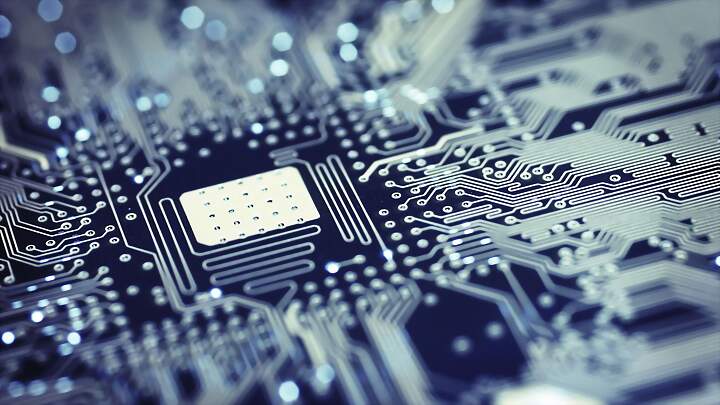
En este episodio, reciclamos viejos televisores en sartenes de cobre, transformamos la caseína de la leche en ropa sostenible y reutilizamos bolsas de plástico para hacer carreteras ecológicas.
¿Te has preguntado cómo se hacen tus comidas favoritas? Desde las cebollas picadas en las sopas instantáneas hasta el relleno perfecto de tus chocolatinas, este programa revela los secretos de la industria alimentaria que nunca imaginaste.
Detrás de cada bolsa de patatas fritas, de cada paquete de pan de molde o de cada lata de cerveza existe un mega-proceso industrial que se encarga de llevar cada producto a miles de consumidores. ‘Food Factory’ introduce al espectador en un proceso que paso a paso va desgranando ingredientes, técnicas culinarias y adelantos tecnológicos de forma fascinante y altamente adictiva. De la pasta al pesto, de los chicles al whiskey, y de ahí a nuestra mesa.
Detrás de cada bolsa de patatas fritas, de cada paquete de pan de molde o de cada lata de cerveza existe un mega-proceso industrial que se encarga de llevar cada producto a miles de consumidores. ‘Food Factory’ introduce al espectador en un proceso que paso a paso va desgranando ingredientes, técnicas culinarias y adelantos tecnológicos de forma fascinante y altamente adictiva. De la pasta al pesto, de los chicles al whiskey, y de ahí a nuestra mesa.
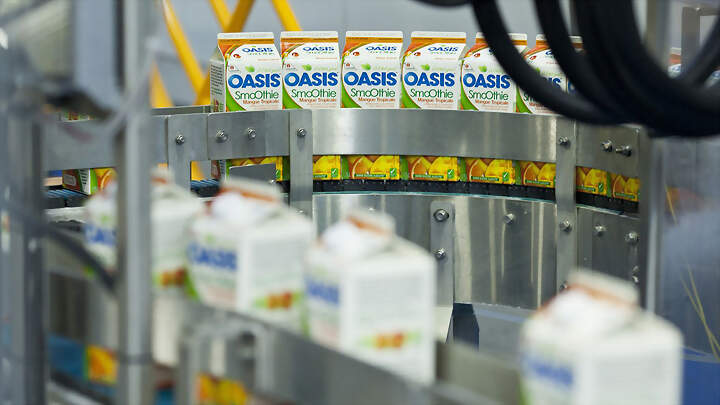
¿Te has preguntado cómo se hacen tus comidas favoritas? Desde las cebollas picadas en las sopas instantáneas hasta el relleno perfecto de tus chocolatinas, este programa revela los secretos de la industria alimentaria que nunca imaginaste.
Detrás de cada bolsa de patatas fritas, de cada paquete de pan de molde o de cada lata de cerveza existe un mega-proceso industrial que se encarga de llevar cada producto a miles de consumidores. ‘Food Factory’ introduce al espectador en un proceso que paso a paso va desgranando ingredientes, técnicas culinarias y adelantos tecnológicos de forma fascinante y altamente adictiva. De la pasta al pesto, de los chicles al whiskey, y de ahí a nuestra mesa.
Detrás de cada bolsa de patatas fritas, de cada paquete de pan de molde o de cada lata de cerveza existe un mega-proceso industrial que se encarga de llevar cada producto a miles de consumidores. ‘Food Factory’ introduce al espectador en un proceso que paso a paso va desgranando ingredientes, técnicas culinarias y adelantos tecnológicos de forma fascinante y altamente adictiva. De la pasta al pesto, de los chicles al whiskey, y de ahí a nuestra mesa.
Descubre la increíble Komatsu PC8000, una de las excavadoras más grandes del mundo, que utiliza tecnología avanzada para excavar 27,000 toneladas de mineral de cobre.
Descubre la increíble Komatsu PC8000, una de las excavadoras más grandes del mundo, que utiliza tecnología avanzada para excavar 27,000 toneladas de mineral de cobre.
Este documental nos sumerge en el fascinante mundo de la naturaleza y los animales, mostrándonos su belleza y complejidad de una manera que te hará asombrarte y querer saber más.
Este documental nos sumerge en el fascinante mundo de la naturaleza y los animales, mostrándonos su belleza y complejidad de una manera que te hará asombrarte y querer saber más.
Este documental nos sumerge en el fascinante mundo de la naturaleza y los animales, mostrándonos su belleza y complejidad de una manera que te hará asombrarte y querer saber más.
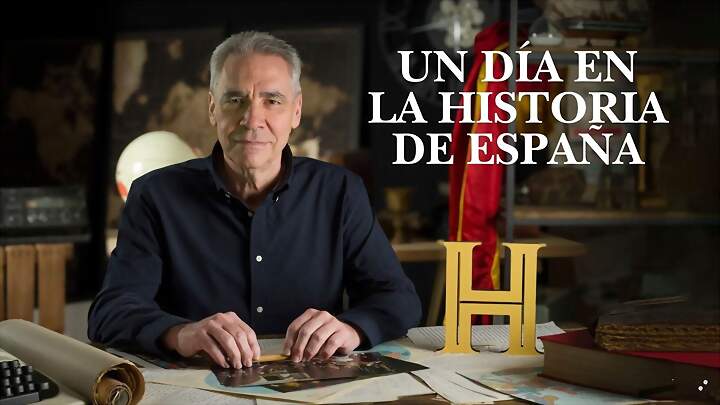
José Carlos Gracia nos lleva a un emocionante viaje por la historia de España, explorando sus momentos más importantes y fascinantes.
A small plane struggles to get off the ground and crashes into a forest. Scientists explain how all four passengers survived this violent collision.
Scientists take a closer look at what happens when drivers lose control of their vehicles. Plus, what happens when a plane crashes down on a busy road?
What happens when person tries to break the land-speed record without the use of a rocket? Plus, scientists examine other incredible accidents.
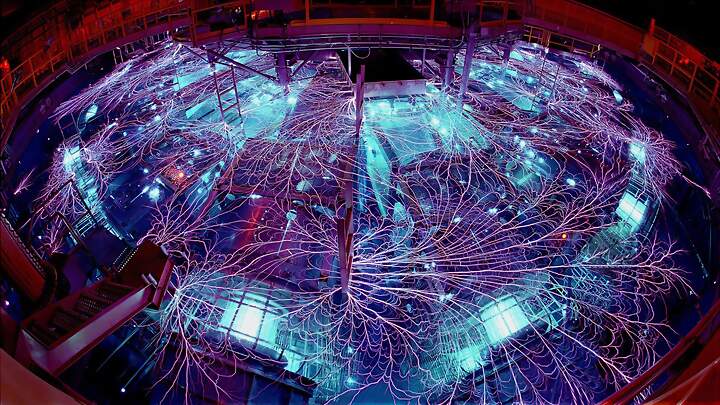
Horizonte es la serie documental de ciencia de 50 minutos de la BBC Two. En septiembre de 2004 celebró su 40 aniversario y continúa disfrutando de excelentes críticas. Reconocido como el líder mundial en su campo, regularmente gana una amplia gama de reconocimientos internacionales de ciencia, medicina y medioambiente, y recientemente ganó el Royal Television Society Award y el Prix Italia. En 2002, la Academia Británica de Artes Cinematográficas y de Televisión le otorgó a Horizon el Premio de Televisión BAFTA por Mejor Serie de Hechos o Strand. En 2003 ganó el prestigioso premio Images et Science al mejor documental médico y el Premio Carl von Linne en el festival de cine Living Europe en Suecia. Ese año, una coproducción de Horizon con WGBH Boston ganó el Emmy al mejor documental.
Júpiter, el planeta más grande del sistema solar y el que gira más rápido de todos, es el quinto en orden desde el Sol. Este documental recoge los últimos datos enviados por la sonda Juno de la NASA para desvelar las maravillas y los secretos que esconde este gigante gaseoso.
Acompáñenos en esta fascinante historia de exploración que ha transformado nuestra visión de Plutón y de los límites de nuestro Sistema Solar.
Los transbordadores espaciales participaron en hitos espaciales capitales, como la reparación del telescopio espacial Hubble o la construcción de la Estación Espacial Internacional.
Los transbordadores espaciales participaron en hitos espaciales capitales, como la reparación del telescopio espacial Hubble o la construcción de la Estación Espacial Internacional.
Nuestro entorno tiene un papel clave en la lucha contra el cáncer. El Dr. Richard Babor nos lleva a reflexionar sobre cómo podemos mejorar nuestro ambiente para ayudar a prevenir esta enfermedad.
Nuestro entorno tiene un papel clave en la lucha contra el cáncer. El Dr. Richard Babor nos lleva a reflexionar sobre cómo podemos mejorar nuestro ambiente para ayudar a prevenir esta enfermedad.
Nuestro entorno tiene un papel clave en la lucha contra el cáncer. El Dr. Richard Babor nos lleva a reflexionar sobre cómo podemos mejorar nuestro ambiente para ayudar a prevenir esta enfermedad.
Color Vivo Internet © 1995 - 2025 | Contacte con nosotros | Politica de privacidad y cookies | Aviso legal